The DRS has a new visual identity. Find out more in the video below.

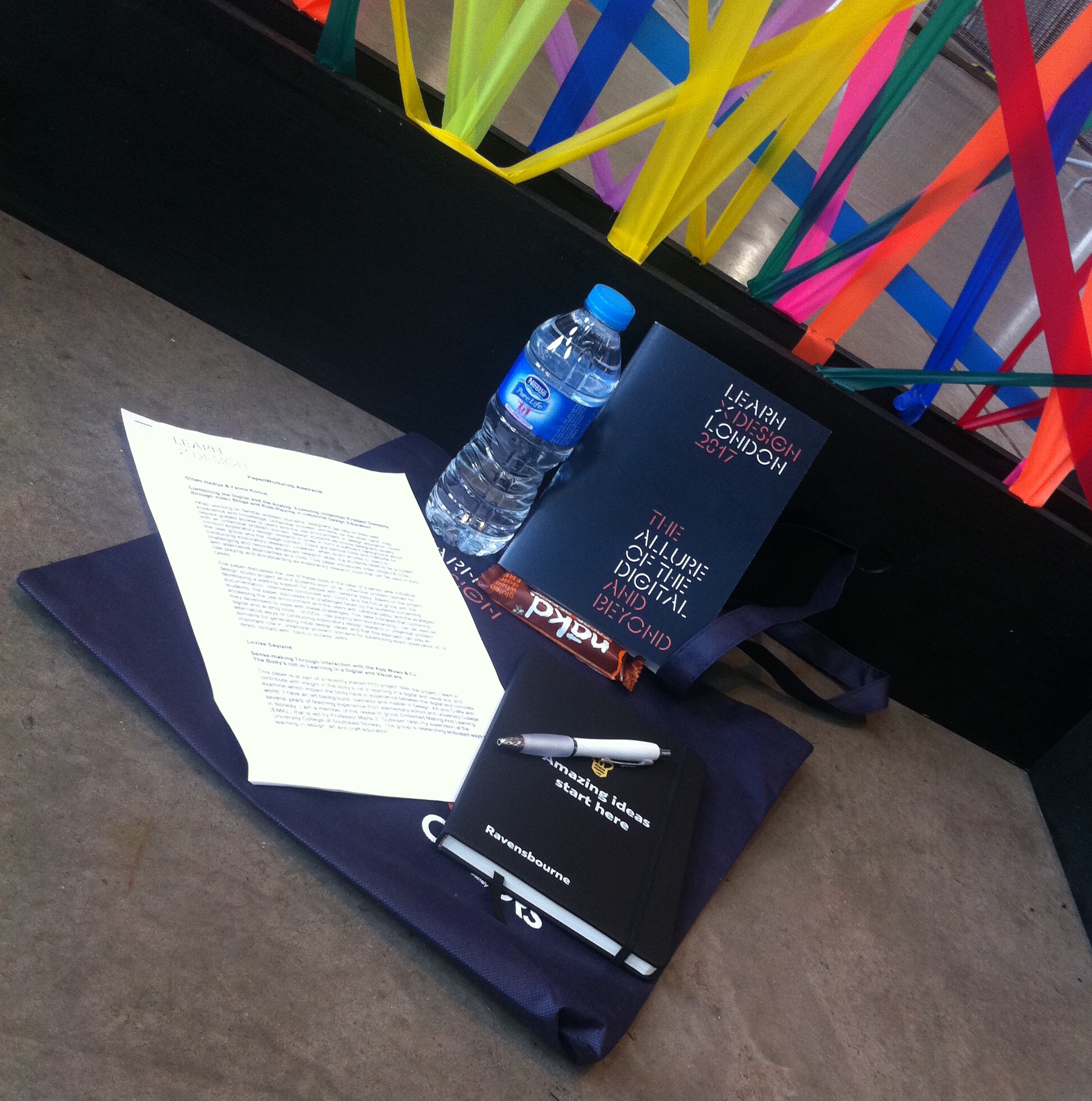
The opening keynote by Susan Orr (@Susan_K_Orr) superbly summarised the current landscape in design education, focusing on significant aspects of core design pedagogy and noting how these are being understood in our own discipline(s) as well as how they could transfer to other subject domains. Looking into the near future, she described design as continually developing, where “students are the definers of the discipline”.
On Thursday, keynote Jo Twist (@Doctoe) demonstrated just how significant the games industry in the UK is - both economically and as a discipline and professional endeavour. She observed that “play allows you to fail” before calling for even greater integration between the Arts and traditional (but unhelpfully segregated) STEM subjects that often lead game design.
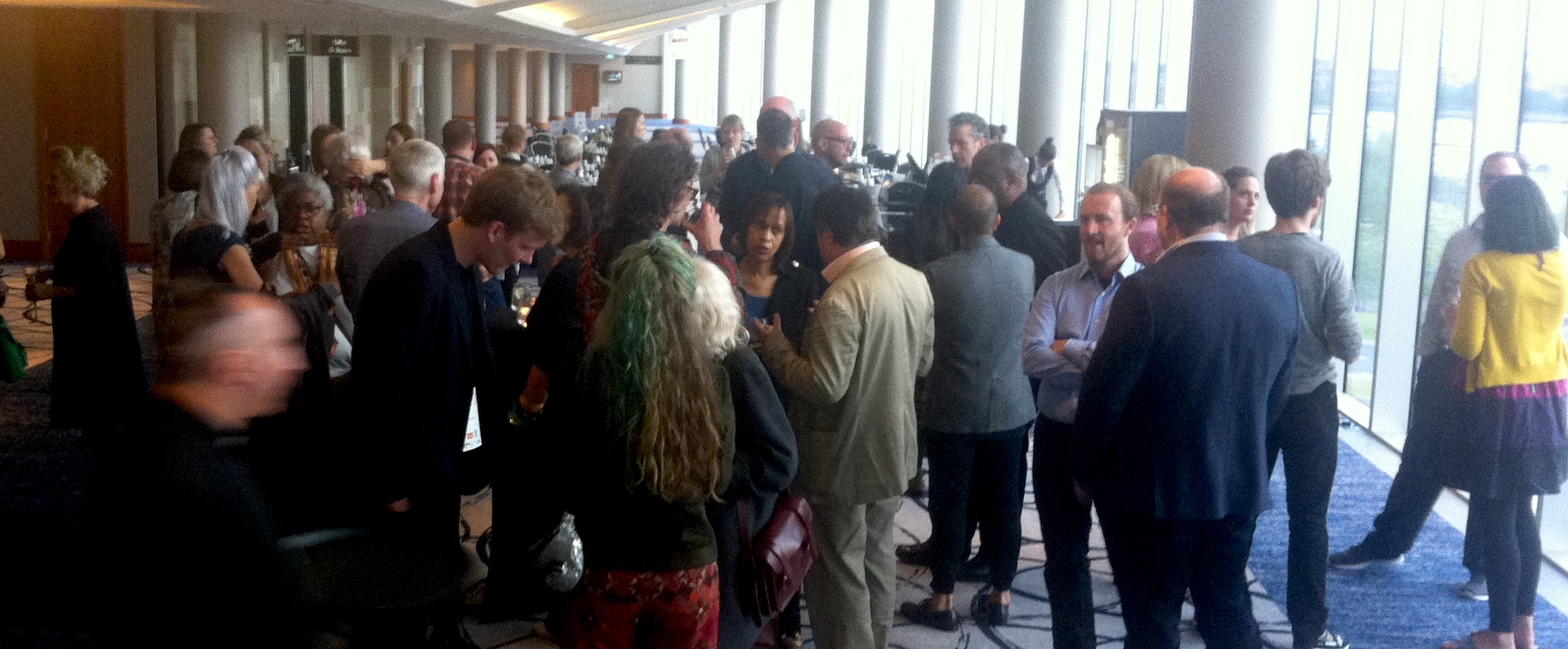
In between these keynotes were the usual range of interesting and well-researched presentations of papers, positions and works-in-progress from across the world. Anyone who has attended a LearnXDesign event will understand that it’s usually a group of really committed and passionate practitioners, coming together to share and expand their personal and collective knowledge in design education. In summing up the conference, Ravensbourne’s Gary Pritchard and Linda Drew reflected what delegates were thinking - it was, as always, the people who made the event.
A huge thank you to all of the Ravensbourne organisers and support staff who made the event so successful.
The conference proceedings will be available in the next few weeks.
The location for the next LearnXDesign conference in 2019 has yet to be confirmed so if any DRS members are interested or have any ideas for this then just get in touch with PedSIG lead Mike Tovey (adx907@coventry.ac.uk).
Routledge: Abingdon, Oxfordshire, UK, 2016
£29.99 ($4.95) paperback; £28.49 ($36.04) Kindle edition £110 ($180) hardcover.
This book was inspired by the author's archive of the (UK) Consumers’ Association magazine, Which? This magazine, and the more recent Which? website, provide a unique written and visual record of the technological and design evolution of consumer products marketed in Britain from 1957 to the present.
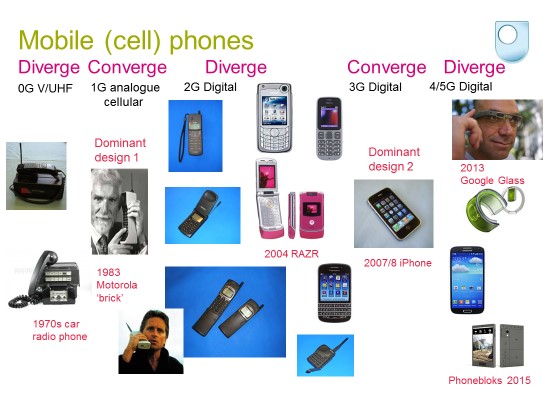
The core of the book comprises case studies of six classes of mechanical, electro-mechanical, electrical and electronic consumer products – bicycles, washing machines, vacuum cleaners, electric lamps, television equipment and mobile (cell) phones.
The case studies draw upon the reports in Which? plus many other print, online, museum and retail sources to track the technological innovation and design evolution of these products from their initial inventions to the present day. The case studies also examine when, why and how environmental criteria, such as improved energy and materials efficiency, became part of the design specification of these product classes; the influence of social, economic and cultural factors on their innovation and design; and the profound impacts of these products on society and the environment.
The book draws on empirical evidence from the product case studies to provide general conclusions about patterns of technological innovation and design evolution and compares these conclusions with existing theories. The book finishes by making use of the evidence of the case studies to provide practical guidelines and lessons for product designers, engineers, managers and marketers and for educators of these professions.
http://oro.open.ac.uk/44872/ (This link provides an extended abstract plus summaries of all the book’s chapters.)
http://www.routledge.com/products/9780415869980 (This link offers access to the book’s contents list etc.)
The embedded features of the new website will help us structure our own processes.
Approaching this as a series of DRS Office Portfolios should also help visualise and organise it better.
That we utilise the automated tools available wherever possible.
That each tools is associated with a DRS officer and thereby the activity/processes around that office
That each office's processes should be as accessible as possible - i.e. that contributions are not teh isolated responsibility of any one officer at any time (distributed, international, sustainable, representative, etc.)
| News |
Articles, Blog Any member can be given permission to add an article as a News item. Any member can be given permission to use the blog. Need to disambiguate use of both - try different things. Need to consider membership permission/access (what content do members get?) |
Custom webpage Currently we have no need for this (as yet) but consider for larger items, such as DRS 2016? |
| Events |
Events app The events app seems to be pretty good for what we need and it supports external and free events too. Well worth trying to make good use of it and encourage wider use by members. Any member can be given permission to add an event and we might want to look at how this is done. |
Links to ConfTool, EventBrite, etc.? |
| Membership |
Membership, Directory, Team members These apps seem to work well just now and we should test these to see what use is made by members. |
|
| SIGs |
Group We will trial the Group app to see whether SIGs can/will make use of it. Consider what a Group might be? e.g. Council; International zones; |
Chapter Alternative to Groups is to use the full functionality of Chapters. |
| Archival |
Documents Currently this is the least useful app for our specific requirements. We could do with an officer to handle archival and our document repository generally. |
OJS or other online repository ?
|
| Jobs, funding, scholarships, bursary etc. |
Job board Again, this seems to dbe ok for what we might need - would be good if someone could test this in the coming months |
Static content otherwise; jobs.ac.uk; PhDbyDesign; etc. |
The membership officer should not have to be managing the admin of membership but focusing on what membership of hte DRS is all about; what members want and how we might frame membership as we move into the next 50 years.